Your operation requires consistent cleaning schedules tailored to unique hazards, processing volumes, food allergens, and inspection schedules, with auditable records confirming food safety measures, compliance audits, and health department standards. The information following provide details about essential cleaning protocols.
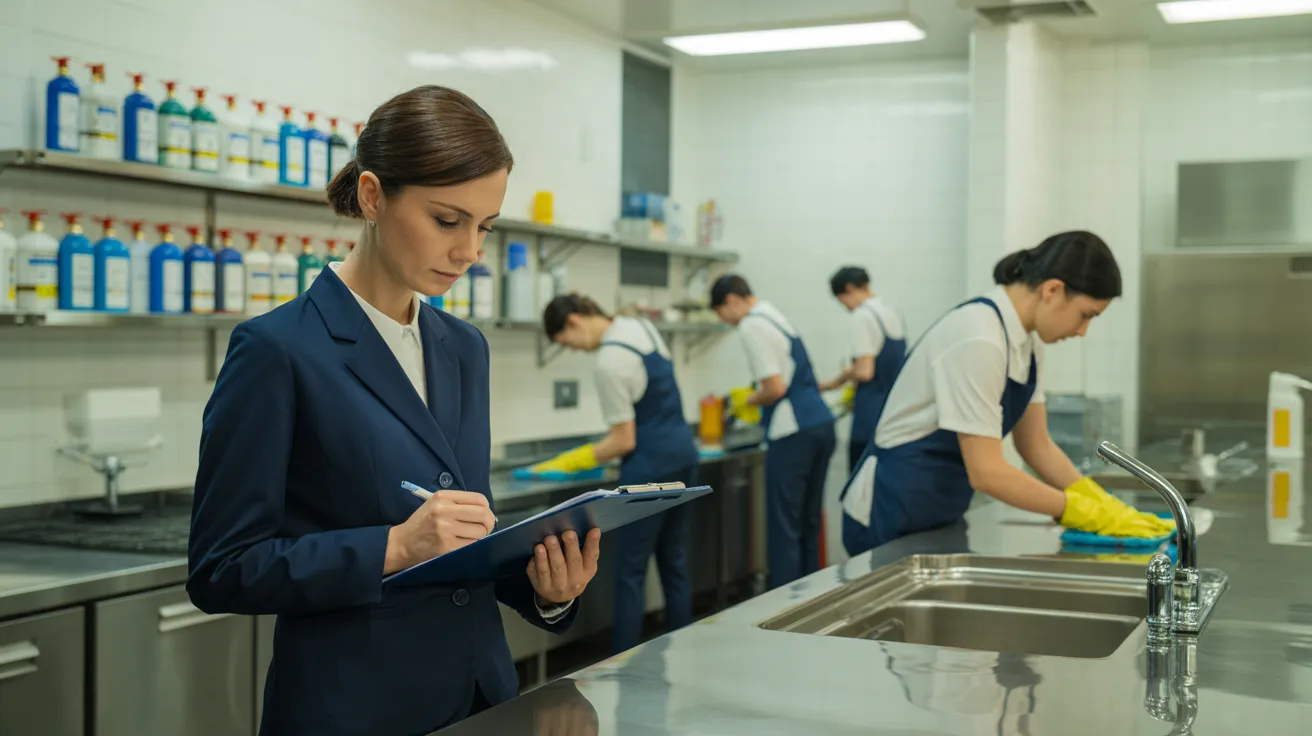
Key Takeaways
- Food safety cleaning specialists in Brampton serve restaurants, grocery departments, commissaries, warehouses, bakeries, schools, mobile vendors, and allergen-sensitive operations.
- Cross-contamination avoidance is achieved by sanitizing high-touch surfaces, food-contact equipment, kitchens, floors, drains, restrooms, and storage areas with compartmentalized approaches.
- Confirmation of proper chemical concentration, appropriateness, and exposure duration is completed by certified contractors, with finalization filed using swabs, audits, and action records.
- Everyday, recurring, and periodic duties designated by location form sanitation timelines founded on hazard, production rate, switches, incidents, and guidelines.
- Liability, color-categorized tools, hazard analysis knowledge, public-health expertise, WHMIS preparation, endorsements, and audit-ready hygiene paperwork are important vendor characteristics.
What Brampton Operations Require Food Safety Cleaning?
Brampton facilities that process, store, prepare, package, or distribute food require sanitation protocols. Implement it if your facility is falls under health department oversight, food standards, or HACCP systems. The rule covers food venues, break rooms, supply centers, retail departments, butcheries, seafood areas, stores, and facility food prep.
Proper sanitation protocols is also necessary in distribution centers, processing facilities, refrigerated storage, commercial bakeries, school meal programs, event venues, and delivery services. Temporary and mobile businesses matter too, such as food trucks, event vendors, and temporary stalls. Your establishment must have established hygiene procedures when your staff prepare supplies, portion completed foods, reheat products, or manage allergen records. In Brampton, food safety stays elective; it constitutes regulatory, business, and safety requirements.
What Services Do Brampton Cleaning Experts Provide?
You require experienced cleaning professionals who disinfect high-touch surfaces, start now kitchen spaces, flooring, and bathrooms to ensure compliance with food safety and health standards. These areas are targeted because they carry the greatest contamination risk, falling hazards, and regulatory breaches.
If you comprehend their cleaning services, you'll be able to confirm your operation satisfies required operational and regulatory standards.
Sanitizing High-Touch Points
Brampton cleaning providers emphasize high-touch surface sterilization because of the threat of bacteria, viruses, and food residue transferring across your facility. You must have a formal plan for sanitizing frequently touched items like handles, plates, switches, railings, equipment controls, payment terminals, and fridge pulls. Using touchpoint mapping, experts pinpoint every regularly used zone and determine cleaning schedule
via replacing cloths, using directional processes, and organizing cleaning tools organized according to location
Cooking Zones, Walking Surfaces, and Restroom Environments
Brampton cleaning services zero in on kitchens, floors, and restrooms as each zone involves different food safety, accident, and wellness risks. In industrial kitchens, you need degreasing on cook lines, equipment exteriors, drains, prep surfaces, and splash zones to minimize bacterial growth and pest activity.
Floor care that is recorded should equally be anticipated. Technicians clean and remove buildup from tile grout, ceramic surfaces, and vinyl floors, then apply appropriate drying controls so you can limit falls and meet regulatory standards. They also address entryways where moisture and debris migrate indoors.
For restroom sanitation, cleaners disinfect high-touch surfaces, bathroom fixtures, stall dividers, supply dispensers, and trash receptacles, then replenish amenities and manage odor. They also service restaurant moprooms, where chemical storage, sink hygiene, and drainage conditions can affect sanitation compliance and staff safety daily.
Why Food Safety Cleaning Matters in Brampton
Brampton businesses need to establish food-safe cleaning standards for meeting legal standards and passing inspections. You also reduce cross-contamination by cleaning and sanitizing food-contact surfaces, equipment, and high-touch areas correctly. Most importantly, you help protect community wellness by reducing the chance of food poisoning in your establishment.
Food Safety Regulations
Brampton food companies must comply with mandatory safety protocols, so sanitation practices is essential to satisfying health codes, safeguarding customers, and eliminating penalties. You must maintain clean food preparation areas, recorded sanitation plans, proper chemical use, and verifiable staff procedures that align with municipal and provincial inspection expectations.
Comprehensive sanitation documentation aid you in establishing due diligence during compliance reviews and establishing your operations follow standardized patterns that are repeatable and tracked.
Cross-Contamination Prevention
Maintaining regulatory compliance copyrights on your capacity to prevent cross-contamination during everyday food preparation and sanitation. You need to partition uncooked items from finished dishes, sterilize work zones between assignments, and position cleaning agents away from food surfaces. Explicit protocols lower contamination threats and reinforce steady regulatory adherence.
You could implement allergen segregation to prevent priority allergens from contacting common areas, containers, or machinery. Apply separate boards, color-marked equipment, and rigorous tool identification so staff don't mix items throughout cooking or delivery. Enforce washing hands following raw meat, seafood, eggs, or allergen-containing products. Change wiping cloths regularly, and test disinfectant concentration using strips. When employees learn these procedures each shift, you create a cleaner, safer operation that meets Brampton's food safety expectations every day.
Community Health Protection
If proper sanitation declines, you don't merely risk a failed inspection—you amplify the risk of pathogenic contamination affecting customers, staff, and the broader Brampton area. You also undermine your responsibility in safeguarding community wellness, especially in busy food facilities where pathogens travel quickly through surfaces, equipment, and touchpoints.
You require sanitation systems that remove contaminants, sanitize effectively, and validate outcomes. This involves maintaining contact periods, selecting approved disinfectants, logging schedules, and educating staff to satisfy regulatory requirements. These measures prevent illness spread by minimizing pathogens before contaminating food or hands. Throughout Brampton, effective sanitation protects vulnerable communities, minimizes disease potential, and proves your diligence. When you follow proper protocols, you go beyond requirements—you mitigate risk and enable safer food service region-wide.
How Can Cleaning Practices Ensure Food Safety Compliance?
Maintaining thorough cleaning protocols strengthens food safety compliance by minimizing contamination hazards, managing pathogen expansion, and keeping your facility meeting sanitation requirements under HACCP-based programs and public health regulations. You verify that food-handling surfaces stay visibly clean and microbiologically controlled, backing documented preventive controls and inspection readiness.
Systematic cleaning further enhances allergen prevention by eliminating residues that can cause undeclared allergen exposure. When you combine verified sanitation methods with regulatory training, your staff can follow consistent approaches, apply approved chemicals accurately, fill out documentation accurately, and manage irregularities prior to problems worsen. Systematic cleaning facilitates audit trails, verifies remediation efforts, and exhibits accountability throughout audits. Furthermore, it aids you protect quality assurance, preserve compliance standards, and reduce the possibility of compliance actions, product recalls, grievances, and unnecessary health dangers.
How Ought You Plan Commercial Cleaning Work?
Cleaning routines work best when you establish them according to risk levels, output volume, and compliance needs rather than using only a fixed calendar alone.
handled independently
How Do You Choose Brampton Cleaning Experts?
Screen providers initially by their food-safe sanitation requirements—not budget alone. You need to verify that every company meets CFIA, public health, and HACCP-aligned expectations for your operation. Demand insurance verification, WHMIS compliance, training records, and management systems. Evaluate technician understanding of cross-contamination risks, chemical safety, and documented sanitation practices.
Additionally, you need to evaluate service dependability and accountability. Obtain references from food facilities in Brampton, then review service speed, corrective-action procedures, and communication standards. Verify the company conducts supplier reviews and can deliver compliance-ready records when inspectors or external parties need proof. Verify equipment is maintained, color-coded equipment are applied correctly, and location-specific dangers are identified. A qualified provider ensures compliance, product quality, and your reputation.
What does a Food Safety Cleaning Plan consist of?
Document a framework that outlines every sanitation activity, guideline, and role before production begins. You should record cleaning frequencies, approved chemicals, dilution rates, contact times, tools, and verification methods for each zone, surface, and piece of equipment. Remember to add pre-operational inspections, corrective actions, and employee training requirements.
Your framework should also include cross-contamination controls, waste handling, pest-prevention measures, and documented schedules for restrooms, drains, floors, and food-contact areas. Clarify how you'll distinguish raw from ready-to-eat operations, support ingredient tracking, and maintain accurate allergen labeling through validated cleaning between product changes. You should define accountability, maintain signed records, and review results against regulatory standards, HACCP controls, and customer requirements. When gaps appear, revise procedures immediately and re-educate staff.
Commonly Requested Inquiries
Can cleaning services support overnight shifts in Brampton facilities?
Yes, you can arrange cleaning services to accommodate nighttime operations in Brampton facilities. You'll organize overnight sanitation around operational windows, security protocols, and staffing levels. Providers generally create overnight logistics to reduce interruption, maintain standards, and record finished tasks. You should verify response times, supervision, access procedures, and waste management before starting service.
Can Brampton cleaning experts manage emergency spill response?
Yes, you can discover many Brampton sanitation experts providing hazard containment services. They manage contamination, assess dangers, contain affected zones, and initiate rapid cleanup to reduce risk and prevent business disruption. You should confirm timeframes, credentials, safety protocols, and disposal methods. If your facility must adhere to regulations, select a service that documents events, follows procedures, and supports verification.
Are environmentally safe disinfectants suitable for surfaces contacting food?
In essence, eco-friendly disinfectants prove safe for food-handling equipment provided you buy disinfectants approved for food contact that meet regulatory standards. Confirm contact duration, dilution rates, and rinse requirements in advance of use. Botanical formulations lower harsh chemical exposure, although you require proof of efficacy against target microorganisms. To ensure surfaces without residue, stick to manufacturer directions precisely and ensure the disinfectant complies with relevant food safety standards.
Can maintenance plans flex with seasonal shifts?
Without question, sanitation programs customize readily for seasonal production changes. Adjust frequencies, labor allocation, cleaning agents, and validation steps to fit production rhythms while maintaining compliance standards. Lower production interruptions by planning sanitization around line changes, maximum output, and equipment use patterns. Additionally revise written procedures, staff education, and facility monitoring to account for seasonal hazards, additional allergens, or higher contamination levels. Regular reviews keep the strategy effective.
Do commercial cleaners train employees on hygiene standards?
Absolutely, professional cleaning companies regularly deliver employee education on hygiene standards. Your staff gets training on proper chemical use, dwell times, cross-contamination prevention, machine takedown, and documentation. They typically align guidance with HACCP, GMP, and CFIA or local public health standards. Many also perform health inspections to verify compliance, identify gaps, and strengthen corrective measures. This enables you to sustain consistent procedures, pass inspections, and lower contamination dangers consistently.
Conclusion
Partnering with Brampton food safety and commercial cleaning professionals goes beyond tidying—it ensures your facility meets inspection standards and your standards remain compliant. From processing facilities to kitchens, each sanitized surface and maintained corner lessens contamination risk and prevents major expenses. By arranging service on appropriate schedules and implementing a thorough cleaning program, you shield your workforce, your customers, and your reputation. In a tightly controlled market, clean environments are non-negotiable—they're vital to proper management.